
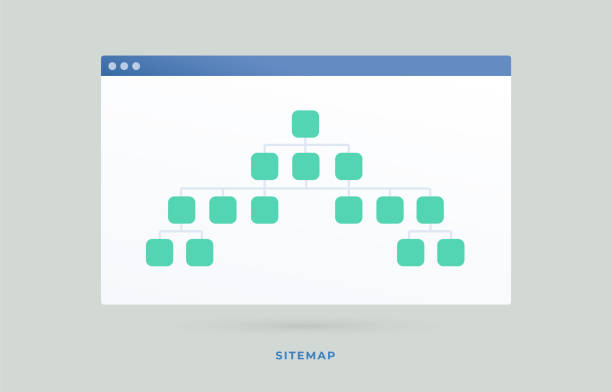
Ever Wondered How Google Actually Finds Your Website?
Okay, so imagine your website is like this giant, messy attic full of old stuff. Some things are super organized, like neatly stacked boxes, and some things are just thrown around with zero order. Now, Google? Google is like that friend who’s promised to help you clean the attic but hates rummaging through chaos. This is where a sitemap generator comes in. It’s basically like handing Google a neat little map of your attic, pointing out where all the good stuff is. Without it, your site might as well be a black hole for search engines.
I still remember when I first started messing around with websites, I thought “Oh, search engines will just find me… eventually.” Spoiler: eventually took way longer than I liked, and by then, some of my pages were basically ghost towns. That’s the life hack part — a sitemap generator literally saves you from the digital wilderness.
Why Do Websites Even Need One?
Websites are like cities. Think about it: streets, alleys, hidden cafes… if the city doesn’t have a map, tourists are gonna get lost, miss the cool stuff, and maybe leave forever. That’s exactly what happens when your website has no sitemap. Crawlers, the Google robots, they need a clear path to understand your site structure. And when you hand them a sitemap, it’s like giving them a VIP tour — no guessing, no wandering around useless dead-ends.
Most people don’t realize this, but even huge brands sometimes forget this step. I came across this small online shop that had the most amazing handmade jewelry, but guess what? No sitemap. And their traffic? It was tragically low compared to what it should’ve been. And honestly, Google isn’t mean, it’s just lazy. If it can’t see your content easily, it won’t bother ranking it high.
Sitemaps Aren’t Just for Google
Here’s a fun fact that I didn’t know until recently: sitemaps aren’t just for search engines. They’re also kind of like a “site diary” for yourself. I sometimes use mine to track old pages, see which ones I forgot to update, or even just remember where I put that random blog post I wrote at 2 a.m. after too much coffee.
Also, sitemaps can highlight different types of content. Like, if you’ve got videos, images, or PDFs on your site, the generator makes sure they aren’t hiding in some corner where no one can ever find them. It’s honestly a little like having a personal assistant for your website, and let’s be real, who doesn’t want that?
How It Actually Works
So the way a sitemap generator works is kind of simple but kinda magical. You feed it your website URL, and boom, it scans all your pages, organizes them, and spits out a file — usually XML — that you then hand over to Google Search Console. And Google, being the obedient digital librarian it is, uses this file to understand what’s on your site and how important each page might be.
I tried doing this manually once. Don’t. Unless you have infinite patience and zero social life. The generator does it in seconds, and honestly, it’s one of those “why didn’t I do this earlier?” moments.
Does It Really Make a Difference?
Absolutely. Look, if your website is tiny with just a handful of pages, maybe it’s not a life-or-death situation. But once your site grows, even a bit, things get messy fast. Pages get added, some get deleted, some move around — Google might still try to find them, but your rankings could take a hit. And in SEO, even small drops can feel like a punch to the gut.
Social media chatter actually backs this up too. On Twitter and Reddit, you’ll see webmasters screaming about pages disappearing from search results, only to realize their sitemap was outdated or missing entirely. It’s a small thing that can save you a lot of stress, and honestly, it feels like free therapy for your website.
Some Lesser-Known Sitemap Facts
Okay, here’s a weird thing: sitemaps don’t always guarantee instant indexing. Google decides when it wants to read it. But what it does guarantee is clarity. And clarity is underrated. Also, there’s something called a “priority” tag in sitemaps — basically, telling Google which pages you love more. I’ve seen sites accidentally prioritize their homepage over the actual content, which is like telling your friend “ignore the party, just look at the front door.”
Another fun stat: over 70% of websites with more than 500 pages use a sitemap. That’s huge, right? It’s like the secret handshake of professional webmasters.
Wrapping It Up
Honestly, a sitemap generator is one of those tools that seems small but ends up being a lifesaver. It makes your site easier to explore, keeps Google happy, and even helps you keep track of your own content. If your website was a chaotic attic, this tool is the labeled boxes, sticky notes, and flashlight all in one.
If you’re still wondering whether you need it, just think about the last time you tried finding something in a messy room without any labels. Now imagine that room is your website and Google is your new friend — would you hand them a map or make them crawl blindly? Yeah, exactly.
So, yeah, don’t sleep on this one. Using a sitemap generator might sound geeky, but trust me, it’s one of those small steps that saves you headaches, rankings drops, and maybe even your sanity.