
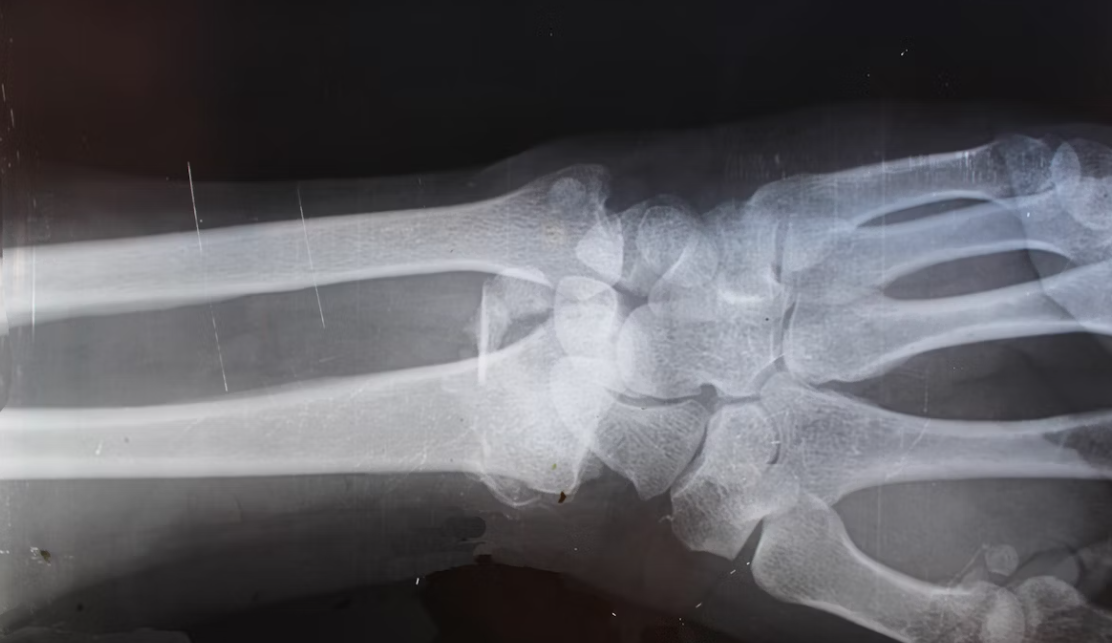
Orthopedic healthcare investing has become a strong and dynamic field for investors looking to combine financial growth with meaningful impact.
As the demand for musculoskeletal care continues to rise, the orthopedic sector presents a wealth of opportunities across medical devices, specialized care centers, and innovative technologies. Understanding how these investments can benefit you—both financially and socially—can help you make informed and strategic decisions in an ever-evolving healthcare landscape.
Growing Market Demand and Stability
One of the primary benefits of orthopedic healthcare investing lies in the stability and continuous growth of the market. With aging populations and increasing cases of joint disorders, fractures, and chronic bone diseases, the demand for orthopedic care continues to expand. Younger generations also contribute to this demand through sports and fitness activities that lead to injury treatments and rehabilitation needs.
This consistent and diverse demand translates to long-term financial stability for investors. Unlike some volatile sectors, orthopedic healthcare is resilient, as musculoskeletal conditions often require ongoing care and intervention. Investing in orthopedic services, products, or facilities ensures participation in a market that remains relevant regardless of economic fluctuations.
Financial Returns Through Innovation
Innovation is at the heart of orthopedic healthcare growth. Breakthroughs in surgical robotics, artificial intelligence, and biologically advanced materials have transformed the industry, making treatments faster, safer, and more effective. Companies pioneering in these technologies often see rapid valuation increases and strong revenue growth.
Investors benefit from these advancements through equity growth, dividends, and potential acquisitions. For instance, companies developing advanced implants, joint replacements, or AI-driven surgical systems frequently attract major healthcare buyers or institutional partners. By supporting innovation, investors not only gain financially but also help drive improvements in patient care and medical efficiency.
Diverse Investment Avenues
Orthopedic healthcare investing offers a wide array of opportunities. Medical device companies form one of the largest and most profitable segments, producing tools and implants essential for surgeries and recovery. Investing in these companies provides exposure to both established brands and emerging startups.
Additionally, orthopedic service providers—such as specialty clinics, surgical centers, and rehabilitation facilities—generate consistent income streams. Investors may also explore telehealth solutions, wearable monitoring technology, and orthopedic software platforms that support patient management and post-surgery care. The diversity of options allows investors to tailor their portfolios to match their financial goals and risk tolerance.
Positive Social and Health Impact
Unlike purely financial ventures, orthopedic healthcare investments contribute to improving lives. Supporting advancements in bone and joint care means helping patients regain mobility, reduce pain, and enhance their quality of life. This dual benefit—earning financial returns while making a social impact—adds a layer of fulfillment that distinguishes healthcare investing from other sectors.
Investors who value ethical and sustainable impact often find orthopedic healthcare particularly appealing. Every technological or medical advancement supported through investment directly benefits patients and healthcare providers, creating a sense of purpose alongside profit.
Protection Against Market Volatility
The healthcare industry, particularly orthopedics, tends to perform well even during periods of economic uncertainty. Musculoskeletal issues and injuries do not decline during downturns, and medical care remains a necessity rather than a luxury. This makes orthopedic investments relatively insulated from economic shocks that might affect consumer-driven or discretionary industries.
Moreover, the industry benefits from insurance coverage, government support, and increasing public health awareness. This combination of consistent demand and strong institutional backing ensures long-term resilience for investors seeking dependable returns.